
Learnings: Failure
- Eanna McGowan
- Nov 12, 2025
- 2 min read
Failure isn’t something anyone plans for — but if you keep pushing your limits, it’s something you’ll eventually meet.
This year alone, I’ve had two big ones: not summiting Denali, and being airlifted out of a race I’d trained hard for. Neither were easy to accept.

We spend a lot of time trying to avoid failure — and rightly so. You have to strive for excellence. You have to aim high. But no matter how much you prepare, there will always be moments when things don’t go your way. What matters is what you do next.
The Lesson from the Mountain
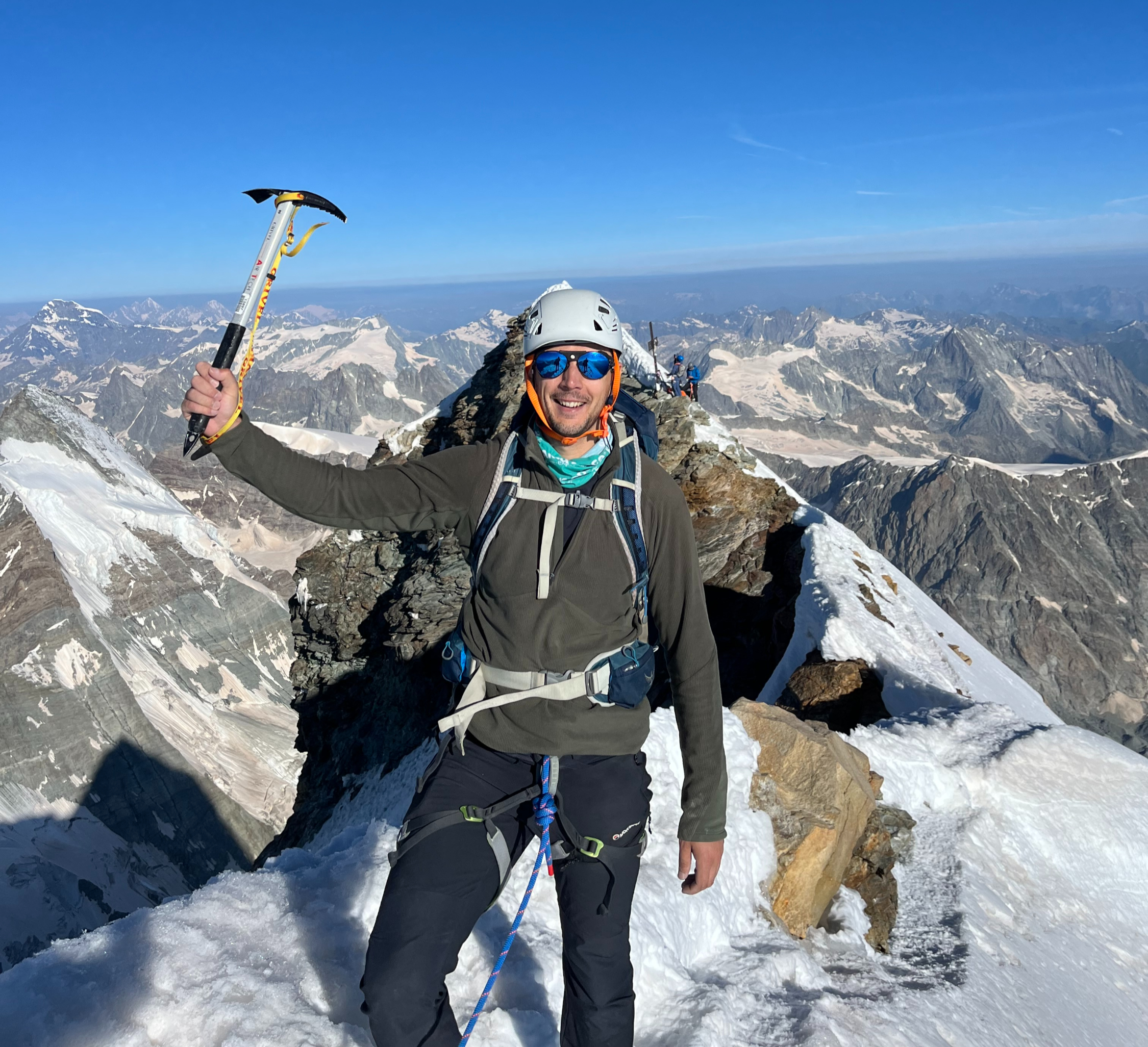
Denali was a turning point. We were well-prepared, strong, and optimistic — but the challenges arose and sometimes, you just can't get past them.
The mountain doesn’t reward effort; it rewards awareness. And in that sense, failure isn’t about giving up — it’s about recognising when the best decision is to step back, learn, and return better prepared.
That mindset applies everywhere. You can plan meticulously, but some things will always be outside your control. What defines you isn’t whether everything goes perfectly — it’s how you adapt when it doesn’t.
The Reality of Getting It Wrong
Being airlifted from a race was a different kind of lesson. It forced me to accept that even when you’ve done everything right, outcomes can still go wrong.
That’s a difficult thing for someone competitive to accept. But the truth is, chasing perfection only gets you so far. Eventually, you reach a point where progress depends on your ability to absorb setbacks, learn, and keep moving.
Failure doesn’t always mean something went wrong — sometimes it’s just part of the process.
Translating It to Work
Things will go wrong.... Plans change, strategies shift, priorities compete.
The key is resilience. Failure is uncomfortable, but it’s also where growth happens. Each time something doesn’t go to plan, you get sharper. You learn to recover quicker, communicate better, and make decisions with more clarity.
That’s what endurance teaches you — not to enjoy the discomfort, but to be comfortable working within it. The best teams I’ve been part of aren’t the ones that never fail; they’re the ones that fail, learn fast, and bounce back stronger than ever.
Why It Matters
Failure forces reflection. It slows you down long enough to see what really matters and where you can improve.
And in the end, it’s not about lowering standards — it’s about recognising that excellence doesn’t come from getting everything right. It comes from the ability to keep learning, adjusting, and showing up again.
Because if you only operate well when things go perfectly, you’ll always be one setback away from stopping.
The goal isn’t to avoid failure entirely — it’s to use it well.And that’s what I’m trying to do, one climb, one project, and one lesson at a time.
Follow the Journey:
📸 Instagram: @eannaseverestjourney
🎥 TikTok: @eannas.everest.jo
💻 Website: www.eannaseverestjourney.com



Comments