
Learnings: Dealing with with Discomfort
- Eanna McGowan
- Jan 8
- 2 min read

Discomfort shows up regularly in this process. Cold mornings. Heavy legs. Doubt.
The quieter moments where you ask whether you’re doing the right thing or just making life harder than it needs to be.
For a long time, discomfort was seen as something to eliminate. Lately, that's starting to change.
What the Mountains Teach You
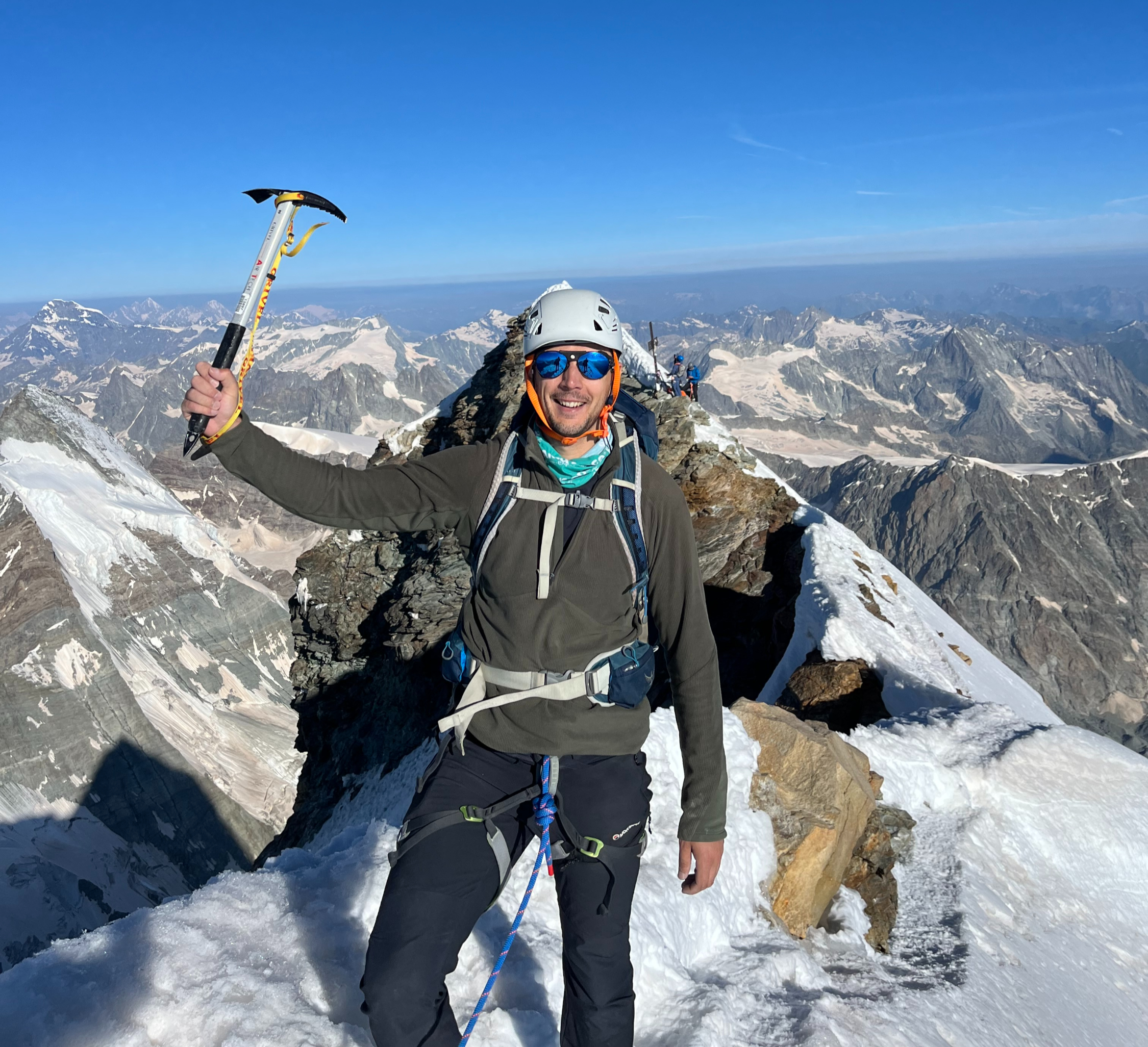
In endurance sport and mountaineering, discomfort is unavoidable. If you spend your energy trying to avoid it, you won’t last very long.
Training doesn’t always feel good. Progress rarely feels smooth. Confidence usually arrives after you’ve done the uncomfortable thing, not before.
Everest preparation has reinforced that, discomfort often means you’re exactly where you need to be. It highlights what still needs work and teaches you how to stay calm when things aren’t easy.
How This Shows Up in my Career
The same pattern shows up in work, even if it looks different.
Discomfort at work comes from uncertainty. From difficult conversations. From making decisions without perfect information. From stepping into roles or responsibilities before you feel completely ready.
It’s tempting to avoid those moments — to delay, soften, or wait for clarity that never fully arrives. But avoiding discomfort doesn’t remove it. It just postpones it.
The people I’ve seen grow most in their careers aren’t the ones who avoid uncomfortable situations. They’re the ones who stay with them long enough to learn something useful.
Discomfort Builds Capability
One of the most valuable lessons endurance sport teaches is that discomfort doesn’t automatically mean danger. Sometimes it simply means effort.
Learning to tell the difference matters.
The more comfortable you become operating in uncomfortable situations, the more capacity you build — for pressure, for responsibility, for leadership. That’s true on a long climb, and it’s true in professional life.
What I’m Taking Forward
There’s a lot of emphasis now on optimisation — feeling good, removing friction, making everything efficient. Some of that is helpful. But it can also create the expectation that progress should feel comfortable.
In my experience, it rarely does.
Everest preparation isn’t meant to feel easy. Growth at work isn’t either. The goal isn’t to suffer for the sake of it, but to recognise that discomfort is often part of doing something worthwhile.
As this journey continues, I’m trying to get better at recognising discomfort for what it is — a signal, not a stop sign. Sometimes it’s telling me to adjust. Sometimes it’s telling me to recover. And sometimes it’s simply telling me to keep going.
Everest just has a way of making that lesson harder to ignore.
Follow the Journey:
📸 Instagram: @eannaseverestjourney
🎥 TikTok: @eannas.everest.jo
💻 Website: www.eannaseverestjourney.com



Comments